“So, did it work?” now has an answer
Brand Sentiment Research
What people think of your brand today can only be measured today. Once the new brand or the new campaign goes live, that reading is gone and you can't go back for it. Whether a rebrand can ever be proven to have worked gets decided in the weeks before launch, not in the months after.
When you need this
About to rebrand, relaunch, or rename?
You need a baseline any time you're about to change something big enough that someone will later ask whether it worked.
- You're rebranding, and the new look goes live in a few weeks.
- You're relaunching a product or a location and expect the conversation about it to shift.
- You're putting real money behind a campaign that changes how the brand talks.
- You're changing the name, which means everything written about the old one stops accumulating.
- You're doing reputation repair and need to know what people are actually angry about before you answer it.
The research
What we measure and how
We read what people say about your brand in public and catalog it. Reddit threads, Google reviews, public Facebook groups, YouTube comments, X, industry forums, news coverage, and blog mentions. We don't run surveys or focus groups; we find what people are actually saying to each other, catalog it, and analyze it.
Collecting the conversation is the easy half. The analysis on top of it is our own. We score every mention, weigh who is saying it and how close they sit to an actual purchase, and separate a real pattern from a pile of anecdotes.
The quotes let your team hear it in customers' own words, and the analysis tells you what it all adds up to.
- Public conversation, not panels. Everything comes from places people were already talking, so nobody is answering a question because we asked it.
- Findings are quoted and sourced, not asserted. Every claim in the report is backed by a real quote, so your team hears the complaint in a customer's own words instead of reading it as a number on a chart.
- We separate what people say from what they actually do. Plenty of people mock ads for brands they happily shop at, and a rebrand needs to know whether the dislike is actually keeping anyone out of the stores.
- Whatever is doing outsized work gets its own section. If one ad campaign, one controversy, or one signature product is carrying most of the conversation, we pull it out and treat it separately rather than averaging it into everything else.
- The method is written down. Sources, queries, scoring, time window, exclusion rules, all documented in the report itself.
Measured twice
Proof needs a before and an after
Most of this work is sold as a pair. We read the brand before the change, then run the identical read again after the new brand or campaign has had time to settle. The second report is where the money is, because it's the only thing that turns "it feels like it landed" into something you can put in front of a board.
The catch is that the first half has a deadline you don't control. The day the new brand goes live, the old baseline stops existing, and no amount of budget later will get it back.
If you're reading this six weeks out, you're in the window. If you're reading it the week of launch, it's almost too late.
The part that makes it hold up
Why the two reports can be compared
Most before-and-after reporting falls apart because the second report wasn't done the same way as the first. Different sources, a wider date range, a scoring rubric someone adjusted along the way, and the comparison quietly stops meaning anything.
Ours holds everything constant both times, and the documented method section is what makes that checkable:
- Same sources
- Same queries
- Same scoring
- Same window length
- Same exclusions
If perception looks different in the second report, it's because sentiment actually changed, not because we changed how we were looking.
We go in without assuming the answer. You probably already have a sense of how people feel about the brand, and you may well be right, but the comparison is worth more if the baseline was measured by someone who wasn't trying to confirm it.
How it works
Three steps, two reports
- 1
Scope call
We agree on the brand, the competitors worth watching alongside it, the time window, and the date the change goes live.
- 2
Baseline research and report
We do the read, write it up with sourced quotes and the full method section, and walk your team through it on a call.
- 3
The follow-up read
After the change has had time to settle, usually a few months, we run the same read again and report what moved.
How we work
We don't make up facts
Most of our client work is professional services, law firms in particular, where the standards for research and content are high because the compliance stakes matter. Every claim has to be sourced, every quote has to be real, and every piece has to hold up when someone whose job is finding problems reads it.
That discipline carries straight into this research. When the evidence doesn't support something, the report says so plainly.
If you want the deeper read on who your buyers are and why they choose you, that's our Audience Intelligence Report, and the two pair well: sentiment tells you what the market says about you, audience research tells you who's saying it and who actually buys.
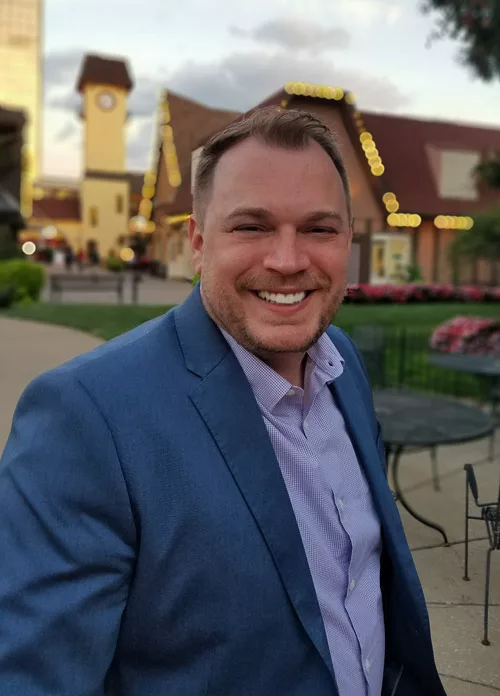
Who you'd be working with
I started Cascade in 2016, after nearly two decades in marketing, publishing, and media, and I still run every engagement myself. I work out of Tacoma, Washington, and I've written more than thirty books on marketing and AI-enhanced research, mostly because reading first and deciding second is how I like to work anyway. If you hire Cascade, I'm the one doing the reading and writing the report.
Questions
How is this different from a social listening dashboard or a brand tracking survey?
A dashboard gives you volume and a sentiment score, which tells you something changed but not what people said or why. A tracking survey tells you what people will say when a stranger asks them a question, which isn't always what they say to each other. We read a very large number of conversations and run our own analysis on what's in them: who is talking, whether they're actually a buyer, and what's really driving the sentiment. You get the conclusions with the quotes attached.
What if we already launched?
A single read is still useful, and plenty of clients buy one on its own to find out what's actually being said. But the before-and-after comparison only exists if the before was measured before. If your launch already happened, we can baseline now and measure against it for the next change instead.
How long does it take?
A baseline takes about two weeks from the scope call to the walkthrough. The follow-up read runs three to six months after the change goes live, once the conversation has had time to settle.
Do we have to buy other services afterward?
No. The report is the product, and plenty of people take it to their own team or their own agency. If you want help acting on it we're happy to talk, but nothing in the research depends on you hiring us for anything else.
Get the baseline while it still exists
Tell us what's changing and when it goes live, and we'll tell you what a baseline read would cover and what it costs. We reply within one business day.
Part of Cascade's Marketing Strategy & Research practice.